THE PLAYBOOK · SSNHJ
How to play Memory Pairs
Take a moment with Memory Pairs before moving to another game. Match all eight pairs. Your result is the number of two-card turns used. Use the example below to understand a decision. Use the opening round to become familiar with the layout. Check the relevant rule before repeating a move.
A useful comparison
Compare the worked example with your own position. Use the reasoning, not an answer copied from a different board. Use the example to check your reasoning.
Your goal
Match all eight pairs. Your result is the number of two-card turns used. An attractive position is not enough unless the goal is met. Review the board or playing area as it changes.
Step by step
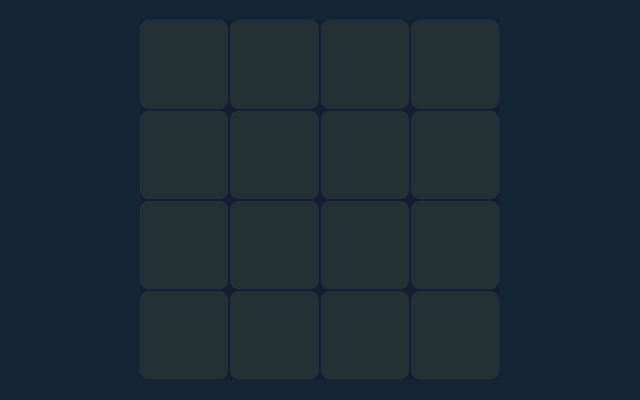
- Turn over any face-down card.
- Choose a second card. Equal symbols stay visible.
- Unequal cards turn back after a short pause.
- Continue until every pair is visible.
Controls
Use the on-screen controls with a mouse or touch. On a smaller screen, keep the active part of the board within view. Return to the rules if the result is unexpected.
A useful example
Turn over one card, remember its position, then choose a second. A matching pair stays found; a mismatch is hidden again. Apply the same reasoning to the position in your own round. Choose a deliberate next step.
Watch out for this
You cannot turn a third card while a mismatched pair is still being shown. Compare the situation with the worked example. When a decision goes wrong, compare it with the common mistake described below. Start again only when you intend to leave the current round.
Common questions
For a quick reminder, what is the goal of Memory Pairs?
Here is the relevant explanation: Match all eight pairs. Your result is the number of two-card turns used.
On this playing page, how do I control Memory Pairs?
The key detail is this: Use the on-screen controls with a mouse or touch.
For a quick reminder, what example helps explain Memory Pairs?
The key detail is this: Seeing a star at the top left and another star in the bottom row gives you a matching pair on a later turn.
While reading the Guide, what should I watch out for in Memory Pairs?
You cannot turn a third card while a mismatched pair is still being shown.
For my first round, what format does Memory Pairs offer?
Here is the relevant explanation: Play using the solo mode shown on this page. Read the controls before starting a new round.
Before I begin, which play mode does Memory Pairs use?
Keep this in mind: The mode on this page is Solo. Same-device play uses one screen; this game library does not provide internet matchmaking.